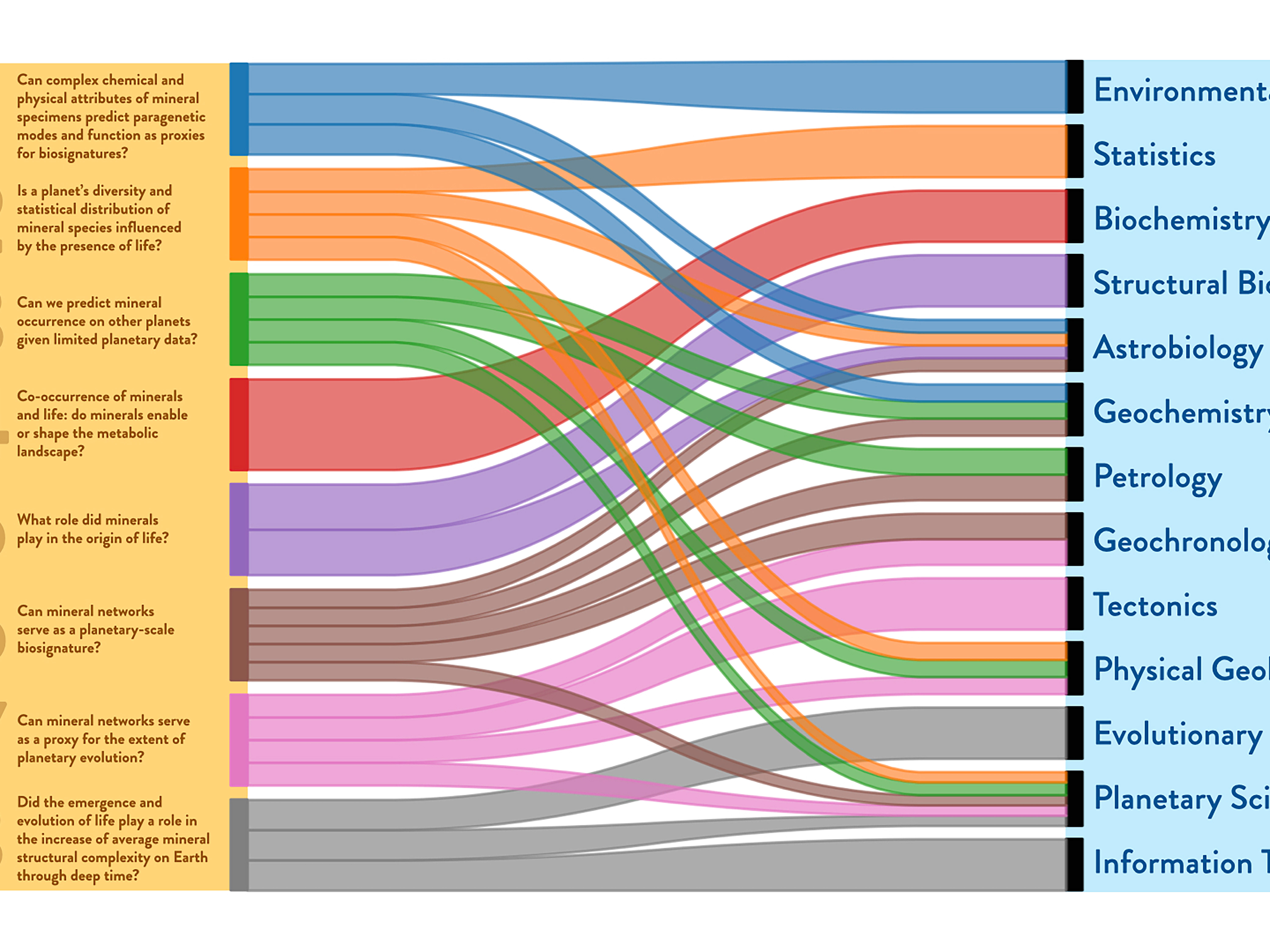
Astrobiology asks about everything, from the creation of the elements to how long our civilization is going to last. It is the universal acceptor of all disciplines, sourcing its knowledge not only from across the sciences, but from philosophy as well.
With Kayla Smith and Patrick Anderson, I examined the relationship between astrobiology and epistemic pluralism, a philosophical perspective that advocates for a worldview in which there are many valid ways of understanding a phenomenon. Our paper celebrates the epistemic pluralism already inherent to astrobiology, addresses how the incorporation of extra scientific thought can advance astrobiology further, and uses epistemic pluralism to responding to common criticisms of astrobiology.
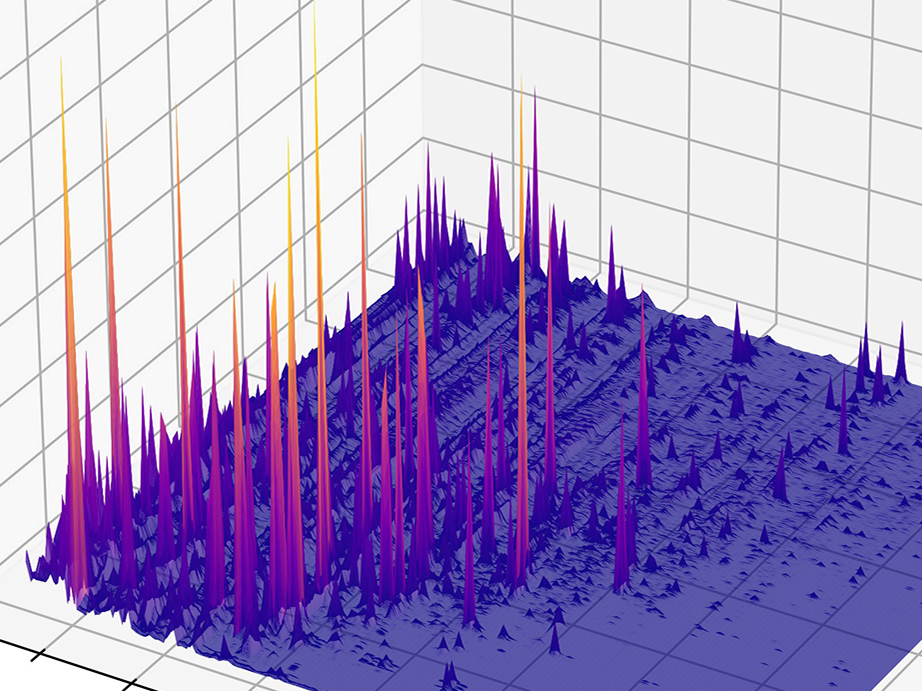
In a forthcoming book chapter with Carol Cleland, I discuss the philosophy of biosignature detection strategies. We propose a new approach for searching for extraterrestrial life based on searching for "potentially biological anomalies"—collections of features that defy conventional explanation relative to our current scientific understanding of life and nonlife. Unlike previous life detection strategies, which encourage a "thumbs-up" or "thumbs-down" determination of extraterrestrial life, the search for potentially biological anomalies opens the door to expanding our (presently miniscule) understanding of both living and nonliving processes in the universe.
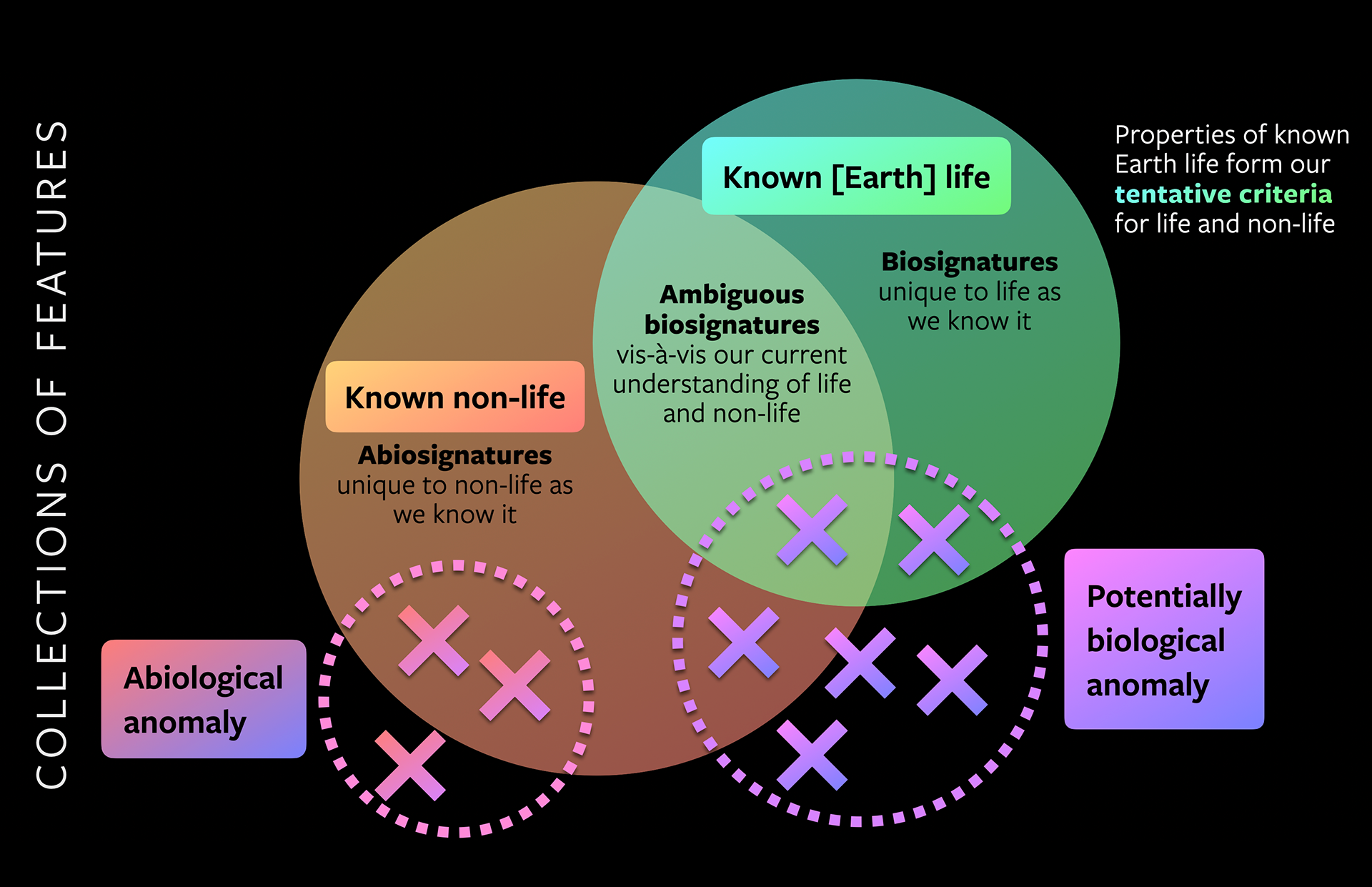
Figure 1 from Cleland & Wong (forthcoming). Figure by Michael L. Wong.